Explore Insights in Geotechnical Engineering

Stay updated with expert articles on soil investigation, foundation engineering, NDT methods, pile load testing, and modern civil engineering technologies — simplified for professionals, students, and project owners.

🧪

Expert Insights in Geotechnical Engineering & Soil Testing

GeoSpectra’s blog is a dedicated knowledge hub for geotechnical engineering, soil investigation, foundation design, and field testing practices used in modern civil engineering projects.

What You’ll Learn from Our Geotechnical Blogs

Our blog focuses on topics such as geotechnical investigation before construction, pile load testing methods, laboratory soil testing, non-destructive testing (NDT), pavement evaluation, and deep foundation performance essential for safe, durable, and cost-effective structures.

Why Geotechnical Investigation Matters

Proper soil investigation minimizes structural risk, controls settlement, improves foundation reliability, and ensures compliance with Indian Standard (IS) codes.

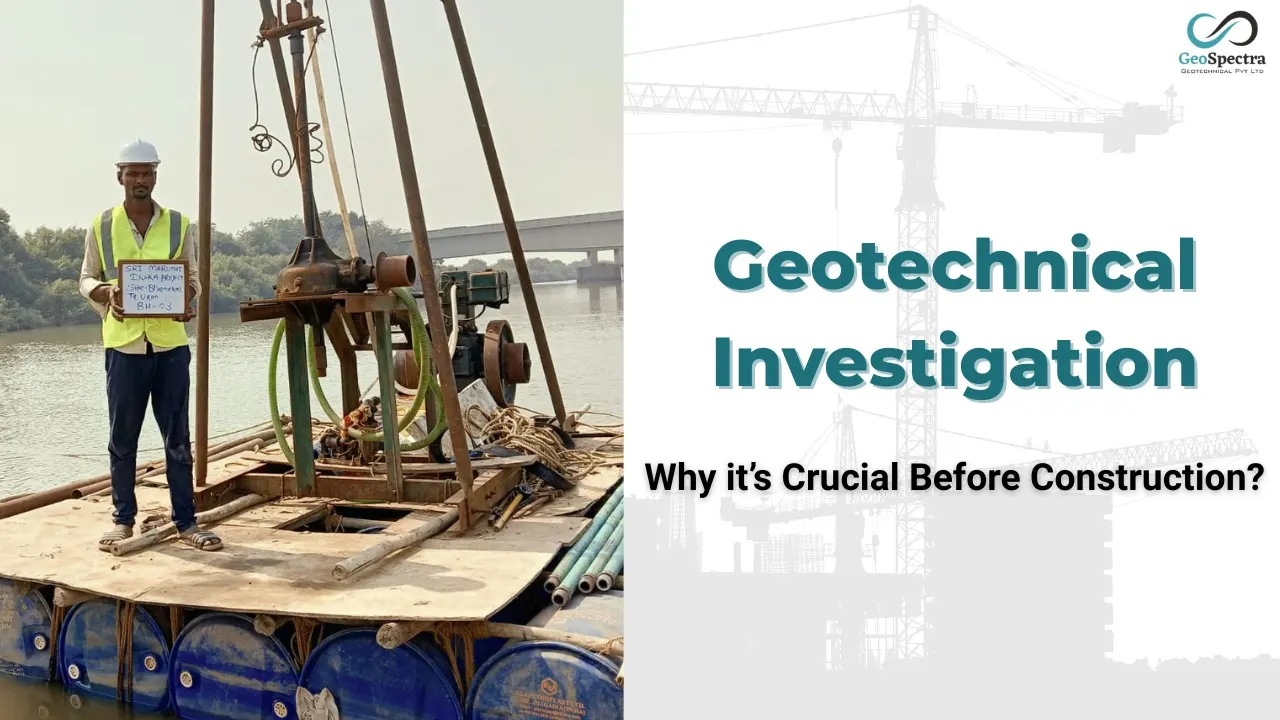
Why Geotechnical Investigation is Important

Why Geotechnical Investigation is Important Before Construction?

A detailed exploration of soil behavior, foundation performance insights, and risk mitigation strategies determining the structural safety of every modern infrastructure project.

Read More →

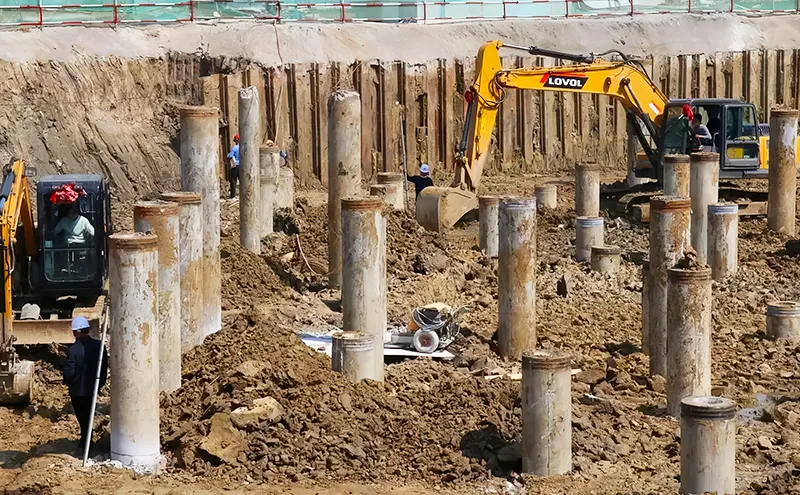
Pile Load Testing Blog

Understanding Pile Load Testing: Methods & Engineering Importance

Learn how static, cyclic, and dynamic pile load tests determine capacity, settlement, and long-term performance of deep foundations.

Read More →
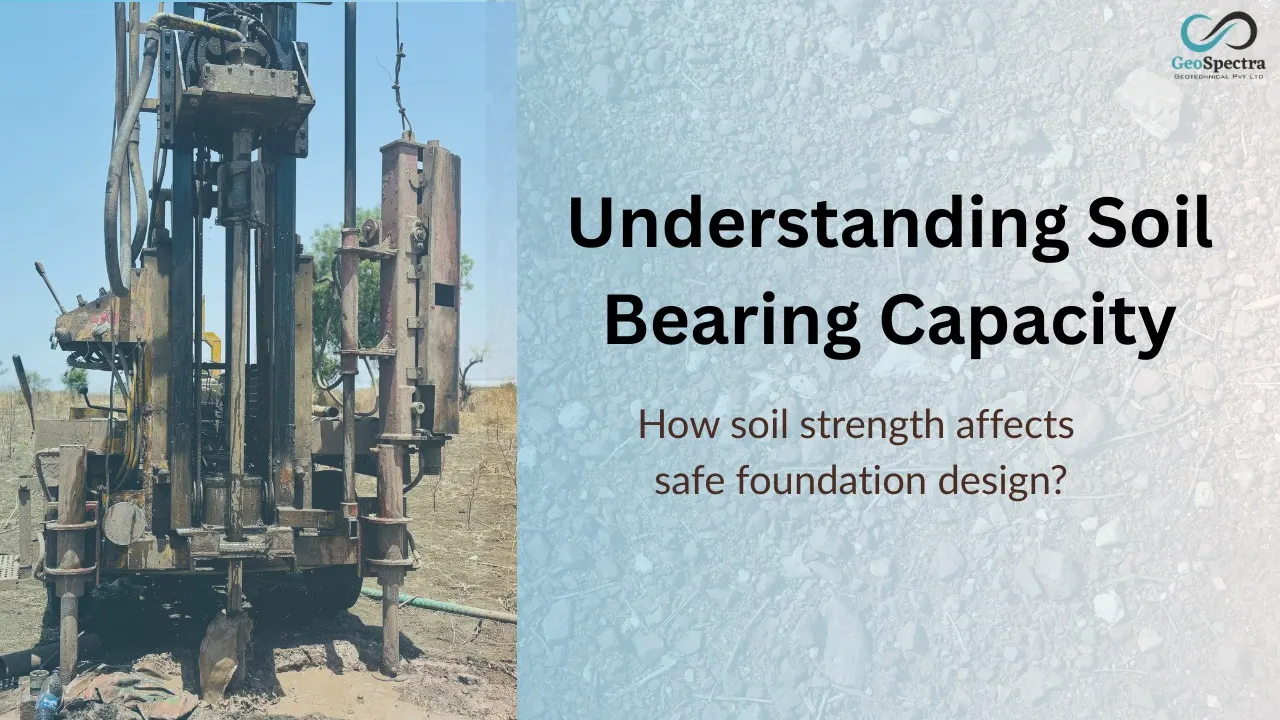
Understanding soil bearing capacity in geotechnical engineering

Understanding Soil Bearing Capacity

Soil bearing capacity determines how much load the ground can safely support. It is one of the most critical factors in designing safe and economical foundations…

Read More →
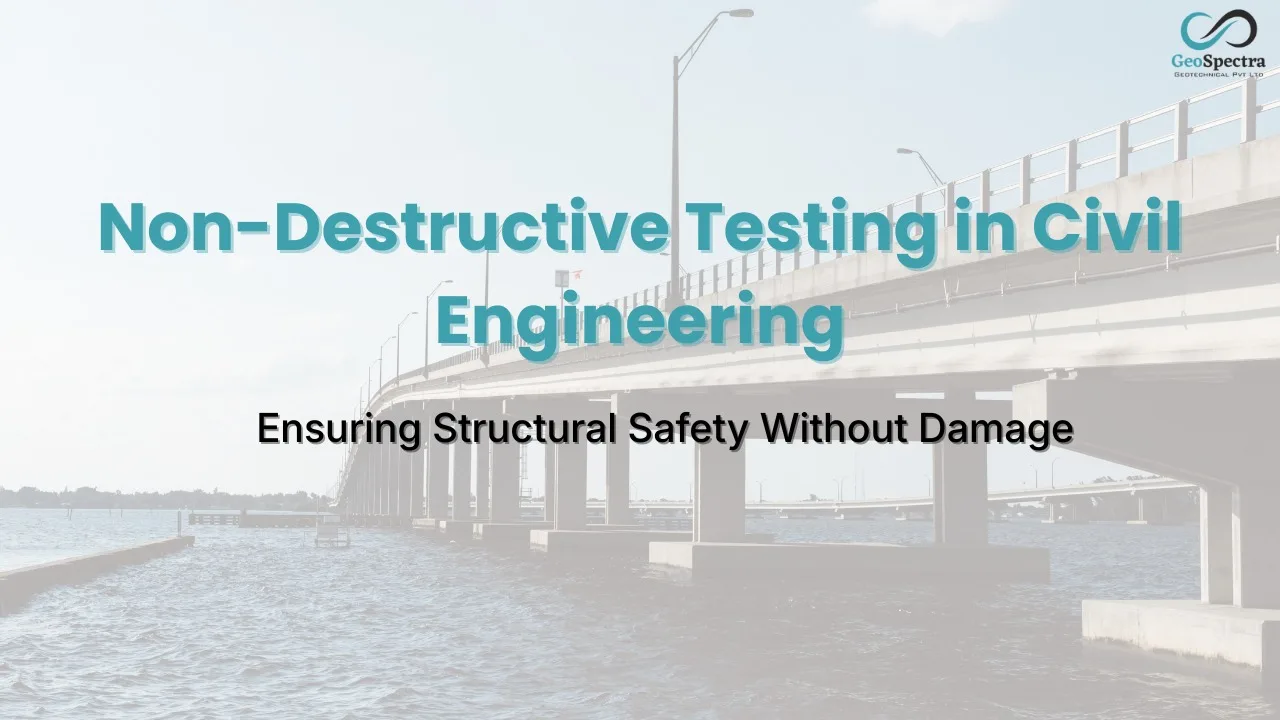
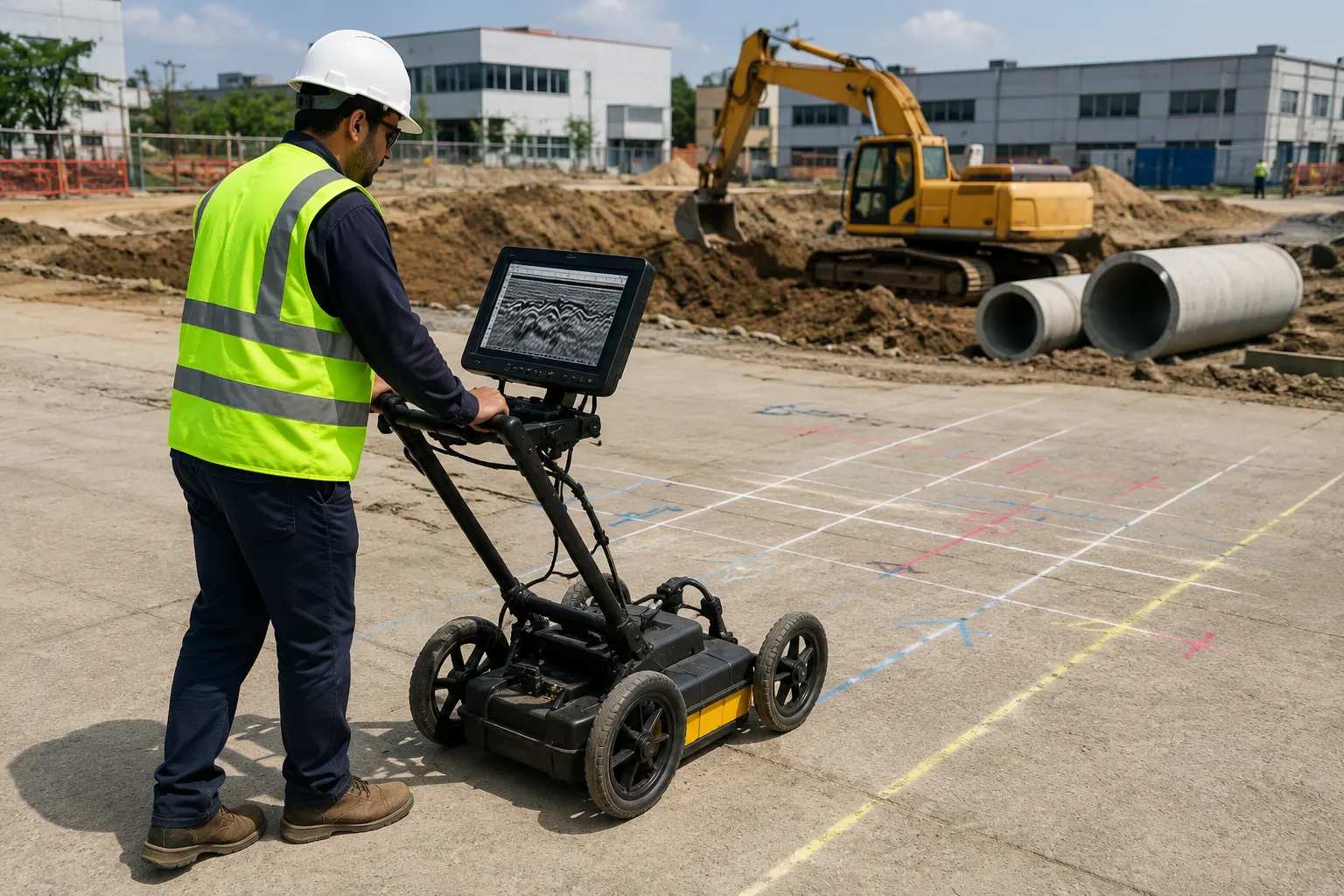
NDT Testing Civil Engineering

Role of Non-Destructive Testing (NDT) in Modern Civil Engineering

Discover how ultrasonic pulse velocity, rebound hammer tests, and core sampling ensure structural reliability without damaging components.

Read More →